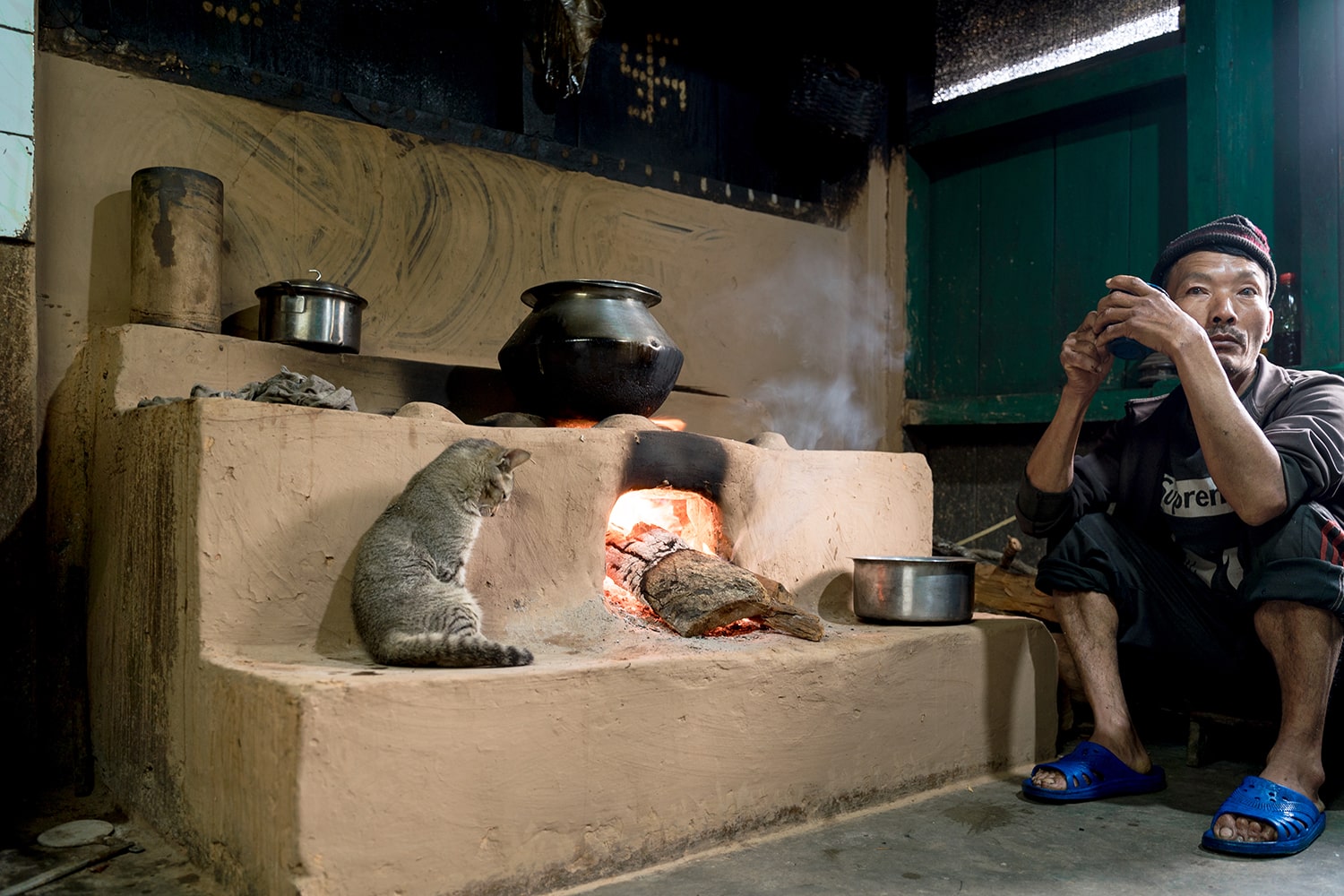

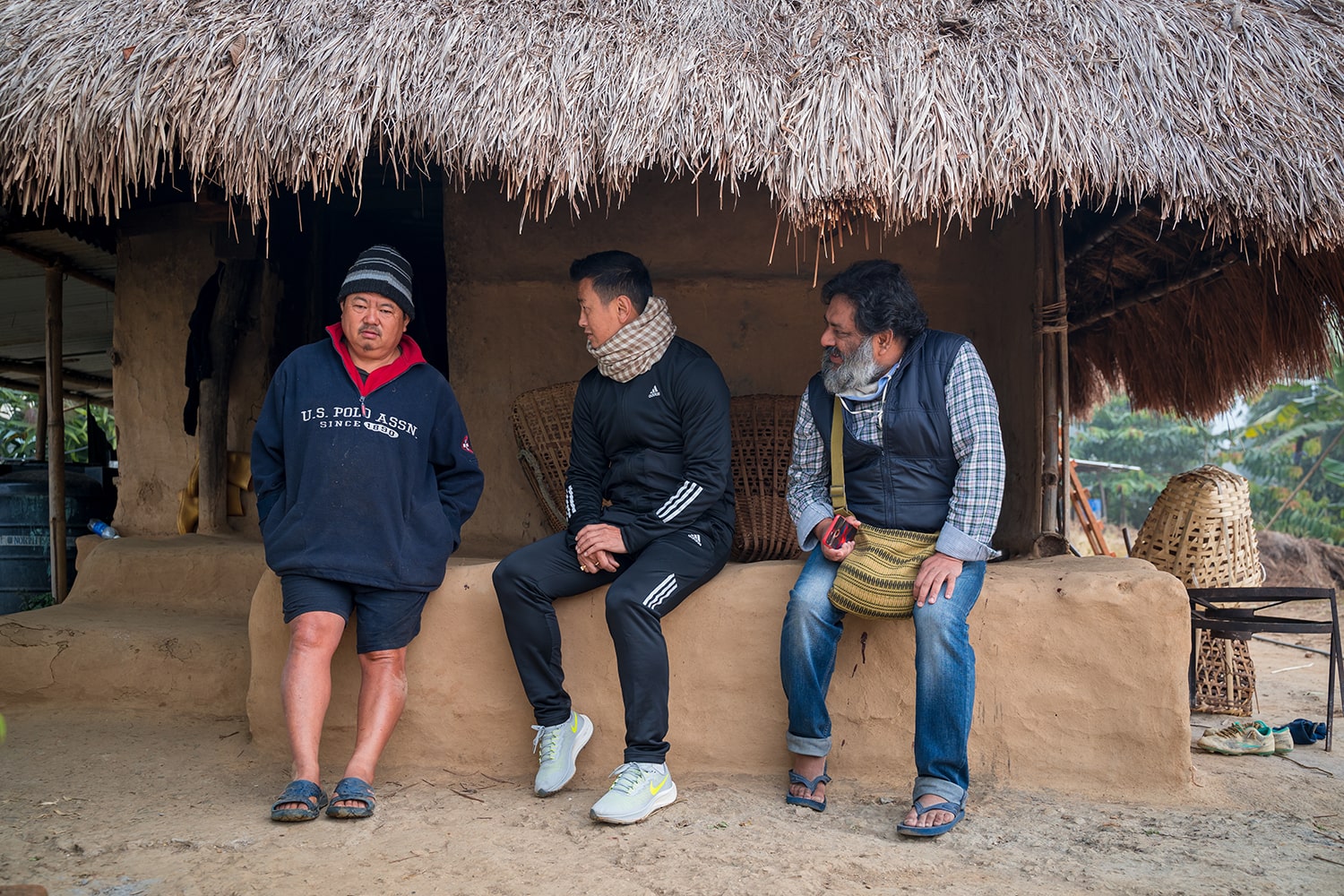
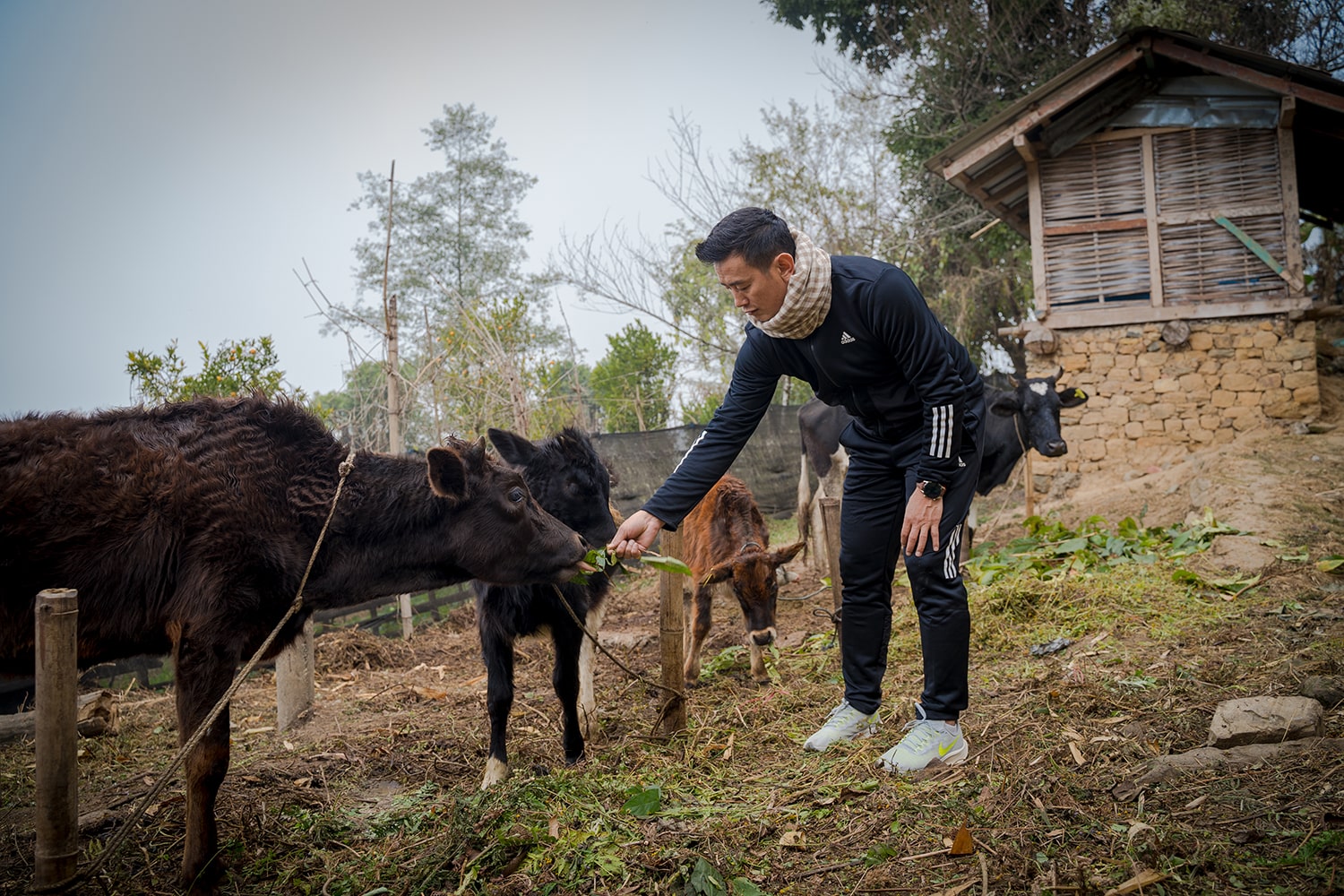

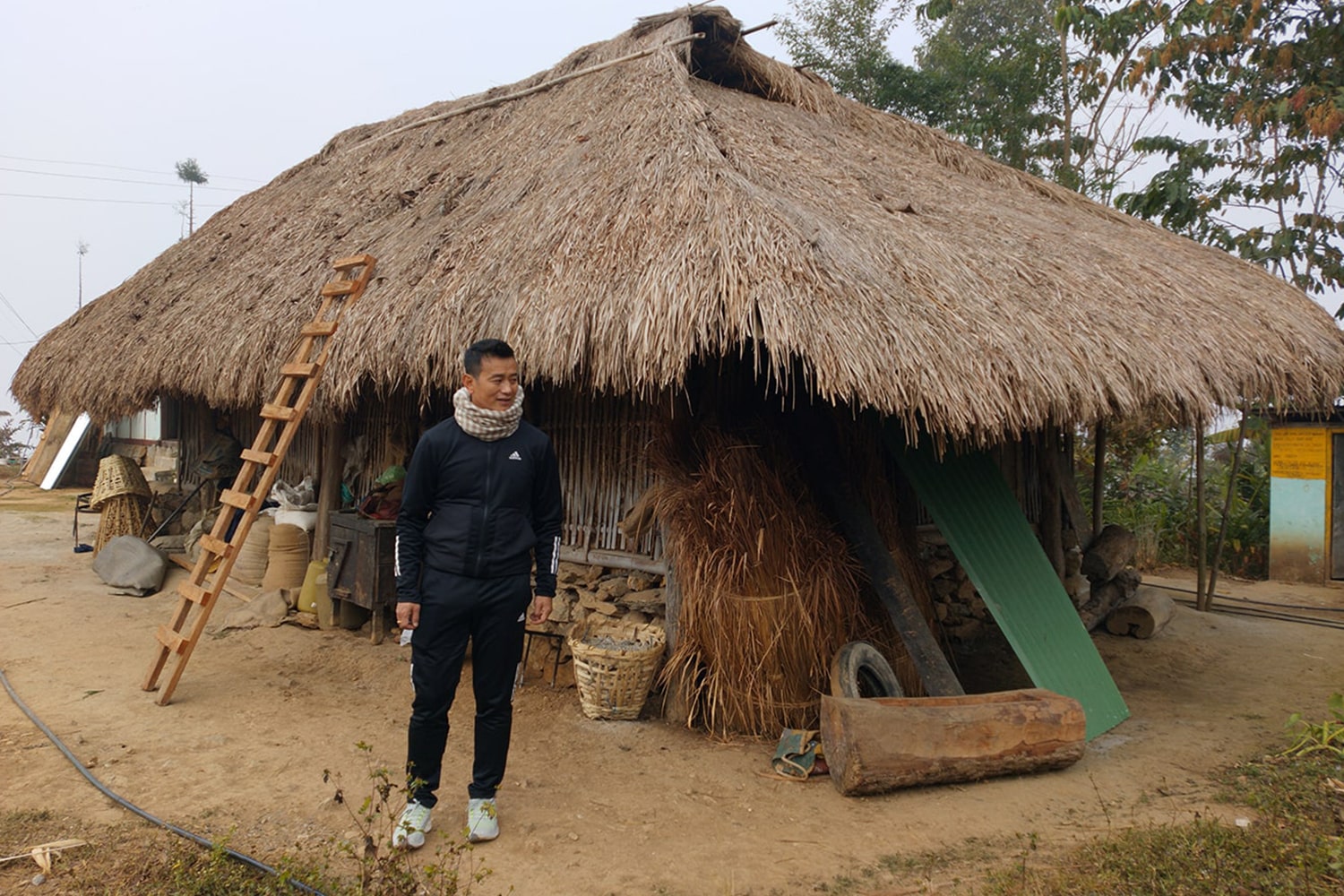
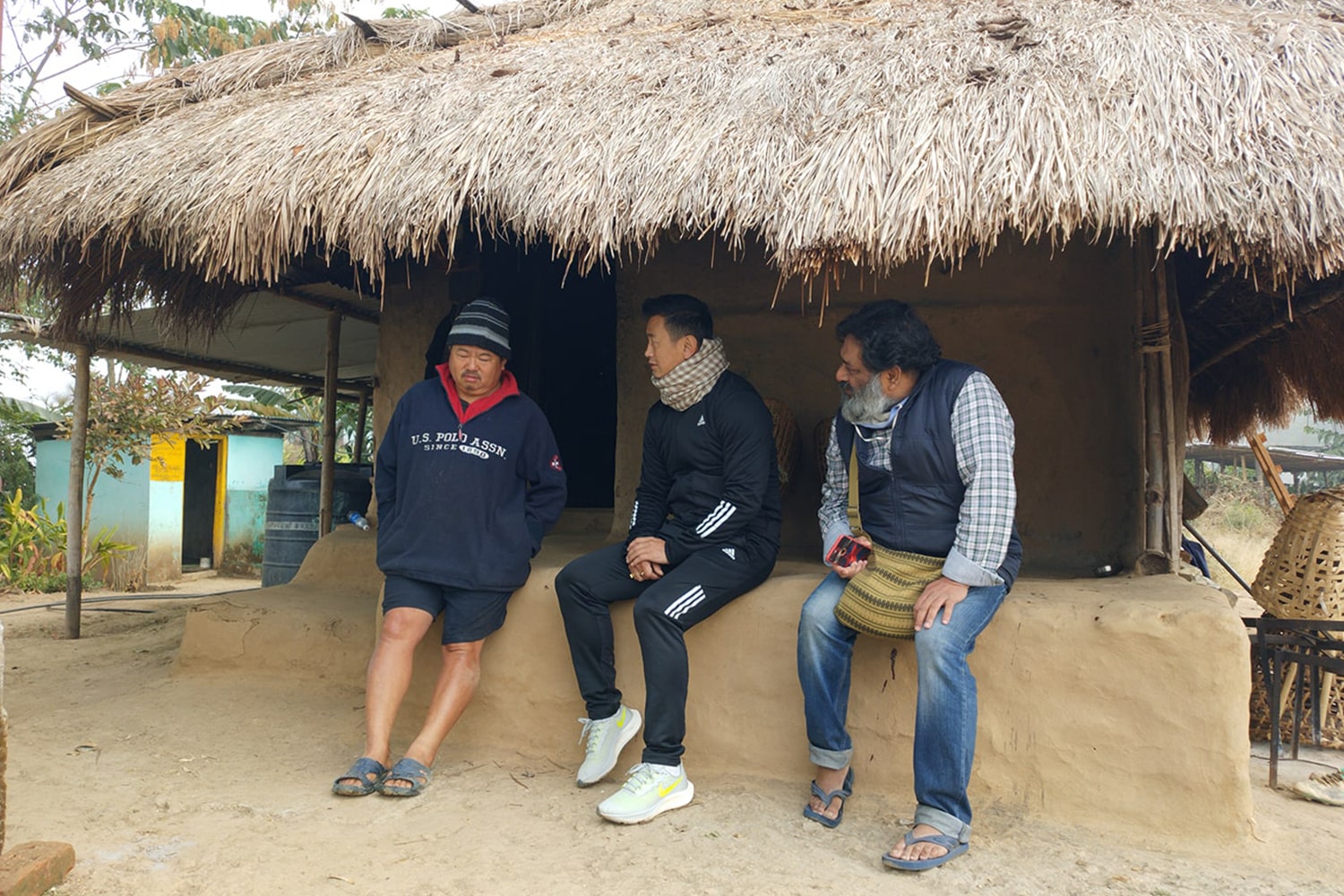
Slow travel is about savoring the experience of travel. It emphasizes quality over quantity. It allows travelers to connect more deeply with the local culture, people and environment. Slow travel encourages exploration at a leisurely pace, often favoring alternative modes of transportation like trains, buses or bicycles rather than hopping on a plane and ticking off a checklist of must-see sights.
Slow travel is a concept that has gained significant popularity in recent years. It acts as an antidote to the fast-paced, hectic nature of modern life. It is a mindset to travel that encourages individuals to immerse themselves in their surroundings, take their time and appreciate the journey as much as the destination.
One of the key benefits of slow travel is the opportunity for meaningful engagement with local communities. Travelers can develop connections, learn local languages, relish authentic cuisine and figure out the customs and traditions of the region by staying in a place for an extended period. This not only enriches the traveler's experience but also contributes to the local economy and fosters cultural exchange.
Moreover, slow travel promotes sustainable tourism practices. It helps reduce reliance on air travel and embrace eco-friendly transportation options. Hence, it minimizes carbon footprints and reduces environmental impact. Besides, staying in locally owned accommodations, supporting local businesses and respecting local customs and traditions are all integral parts of the slow travel quintessence.
In our fast-paced world, efficiency and speed are glorified. Nonetheless, the concept of slow travel has emerged as a refreshing alternative. Slow travel encourages us to shift our focus from simply reaching a destination to immersing ourselves in the journey itself. It provides us the opportunity to opt for a mindful and deliberate approach to travel, emphasizing quality over quantity and connection over convenience. Here are the key principles that define slow travel.
Slow travel encourages to slow down and savor each moment. It means wandering through local markets, interacting with the natives and embracing spontaneous detours that may lead to unexpected adventures.
One cornerstone of slow travel is authenticity. Slow travelers opt for homestays, guesthouses or small family-run accommodations rather than staying in standardized chain hotels.
Another fundamental principle is sustainability like encouraging the use of public transportation, cycling, or walking whenever possible while reducing carbon emissions. Slow travel promotes eco-conscious choices that minimize the negative impact on the environment and local communities.
Finally, slow travel embraces the concept of mindfulness. It encourages travelers to be fully present and attentive, appreciating the beauty of the moment.
Embrace spontaneity: It means deviating from strict itineraries, welcoming unexpected discoveries and exploring off-the-beaten-path local recommendations.
Engage with the local community: Slow travel focuses on interacting with locals, learning about their culture and supporting local businesses. Striking up conversations, visiting local markets, and trying authentic cuisine are some other ways.
Take your time: Slow travel is all about savoring each moment. De is about spending more time in a single location to truly absorb its essence.
No rushing from one destination to another: Slow travel encourages a more relaxed pace, allowing you to experience a place in a meaningful way.
No focusing solely on popular tourist attractions: Slow travel invites to delve deeper and discover the hidden gems and lesser-known aspects of a destination.
No over planning and over-scheduling: Slow travel emphasizes leaving gaps in the schedule for spontaneous activities or simply relaxing and soaking in the atmosphere.
Getting out of comfort zone and relying on technology: Slow travel is an opportunity to be open to trying local foods, engaging in cultural practices, or learning a few basic phrases in the local language. Relying on paper maps and engaging with the environment without constant digital distractions are other fun elements of slow travel.
In a world where time seems to slip through our fingers, slow travel invites us to reclaim it. Whether it's meandering through muddy streets, conversing with locals or simply appreciating the beauty of nature, slow travel allows us to rediscover the joy of travel and create lasting memories along the way.

We're here to respond swiftly to your queries. Let's get you the information you need!
Helpline
Call: +91-99323 85494 | +91 98326 62332
Mail Us: namaste@aadrikholidays.com