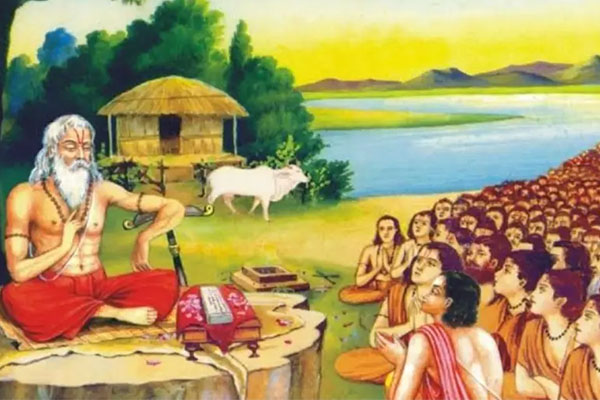
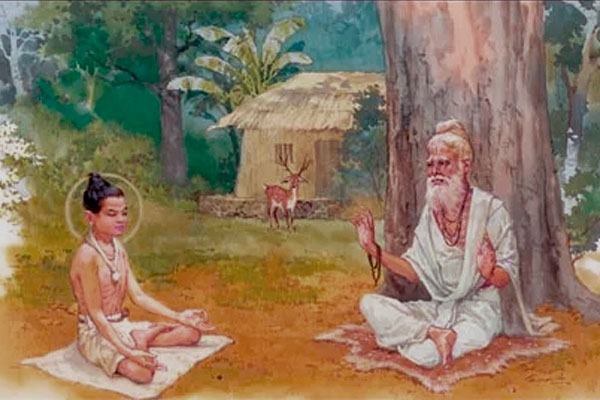
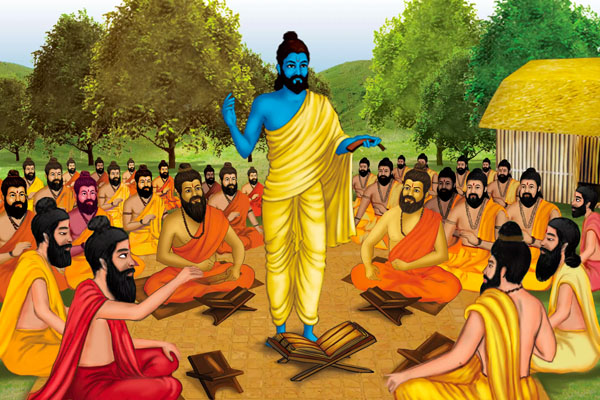
India has always boasted of a rich tradition in the area of learning and education since ancient times. It is well known that people from other nations came to India to get a quality education. One of the famous educational systems practiced in India in the ancient times was The Gurukul System.It was a residential schooling system whose origin dates back to around 5000 BC in the Indian subcontinent. It was more prevalent during the Vedic age where students were taught various subjects and about how to live a cultured, disciplined life. Gurukul was actually the home of teacher or Acharya and was the centre of learning where pupils resided till their education got complete. All were considered equal at the Gurukul and guru (teacher) as well as shisya (student) resided in the same house or lived near to each other. The word ‘Gurukul’ has the denotation – ‘Gurubas’.
Apparently, the tourism movement ‘Gurubas’ is an opportunity to explore the rural integrity and help to connect with Gurus or Acharyas who will teach the authentic sustainable practices.The motive behind this movement is not only to entertain the visiting guest but also empower the local community through tourism activity. The empowerment of local is the core agenda,Gurubas as an Alternative Tourism Product for Sustainable Community Development.
As in recent times, few of the experiences which motivates the traveler most are heritage, natural environment, art and crafts, history of the land, culture-rituals, language, customs and cultures of people in other lands. The opportunities to observe and experience with others how they live, think and participate with ambience exerts an interesting and vital attraction. Tourist do seek to experience the flavor of a locale people’s arts, architecture, cuisine, costume, music, painting, sculpture, celebrations and festivals and their rituals or the authentic cultural attraction may be cuisine, food habit, drink, entertainment or some other form of hospitality.
India can be a model gurubas for its multi-faceted potentialities. Natural gifts, man-made heritages ethno-cultural richness, innocent social settings, pleasant hospitality and many more unexplored treasures that are dreams for experts of tourism.
'Gurubas' literally means ‘Guru’s family’ or ‘Guru’s clan’. The history of Gurubas contains the history of India’s education system and the defense of knowledge science. The main focus of Gurubas was on imparting learning to the students or shishyas in a natural surrounding where the shishyas lived with with brotherhood, humanity, love, and discipline. The essential teachings would be in subjects that developed their intelligence and critical thinking of sustainable livelihood.All these helped in the personality development and increased their confidence, sense of discipline, intellect and mindfulness which is necessary even today to face the world that lay ahead.
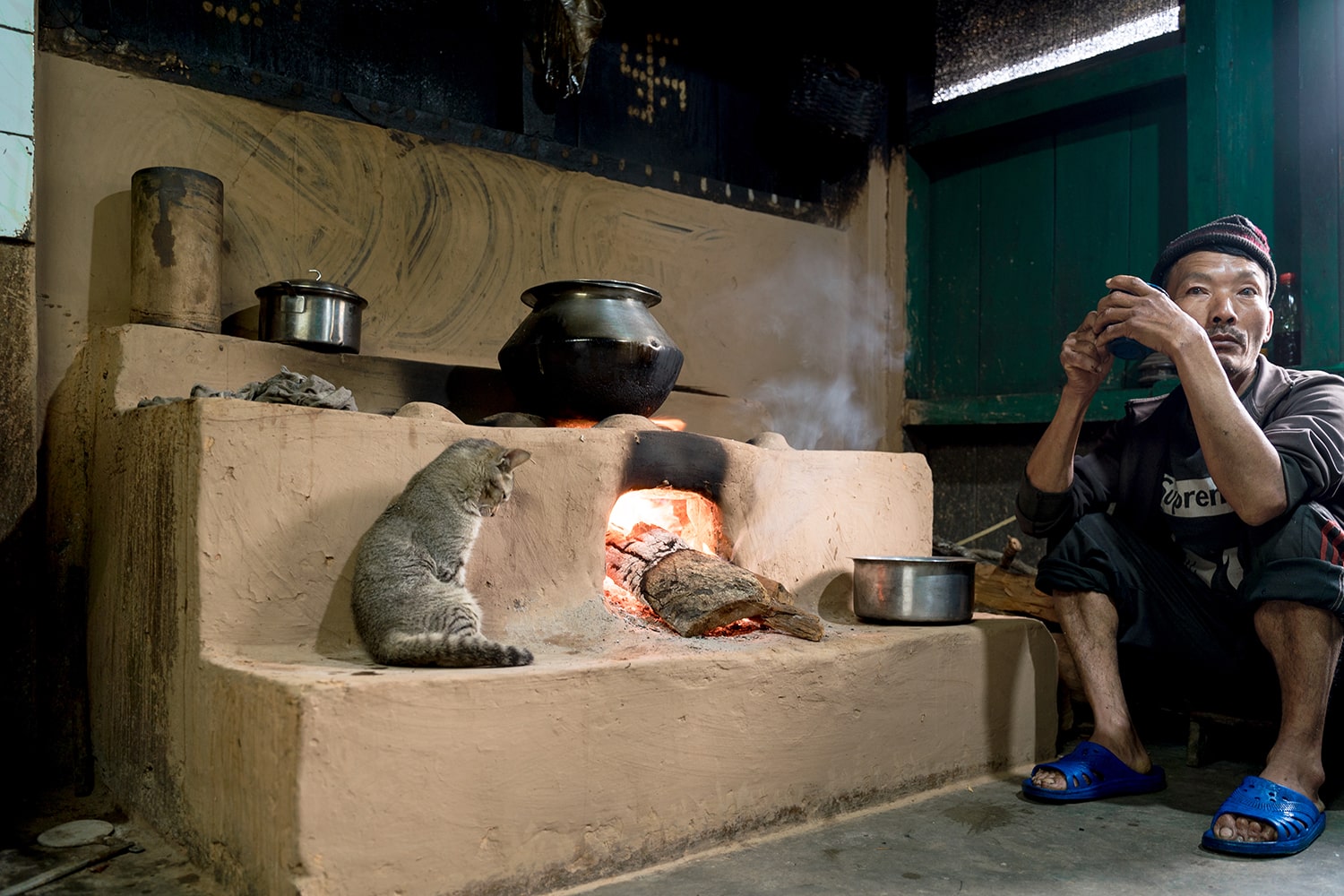
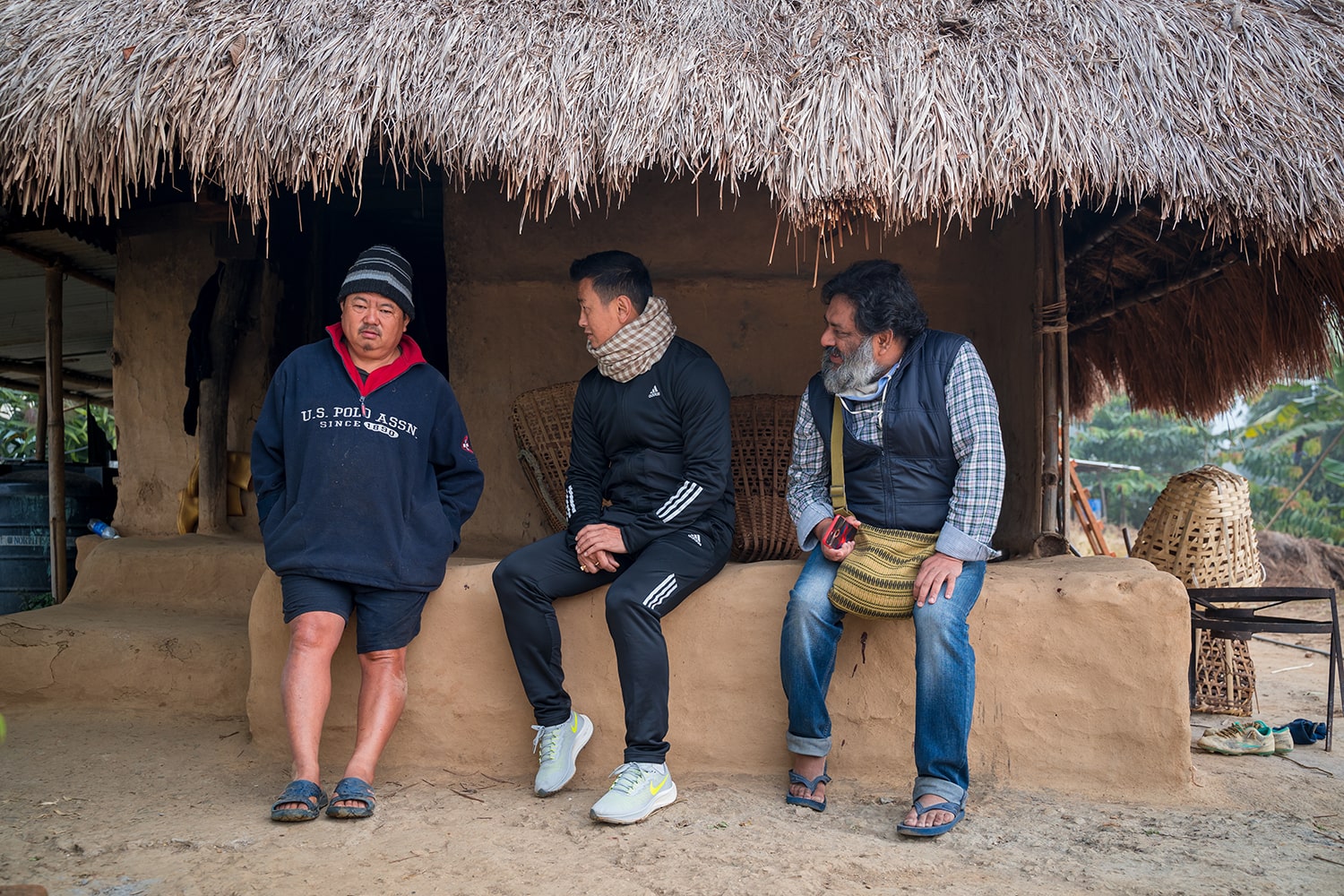
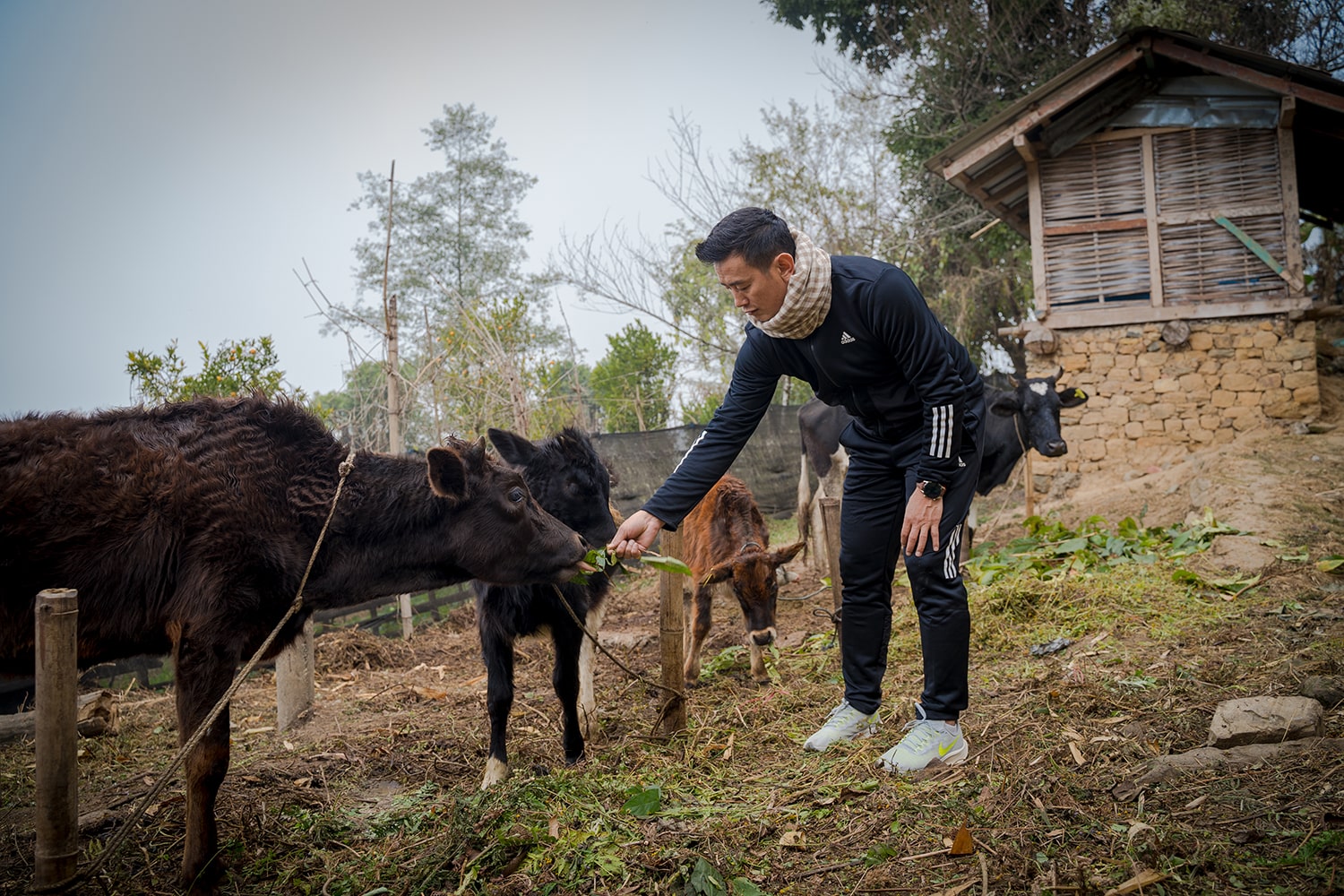
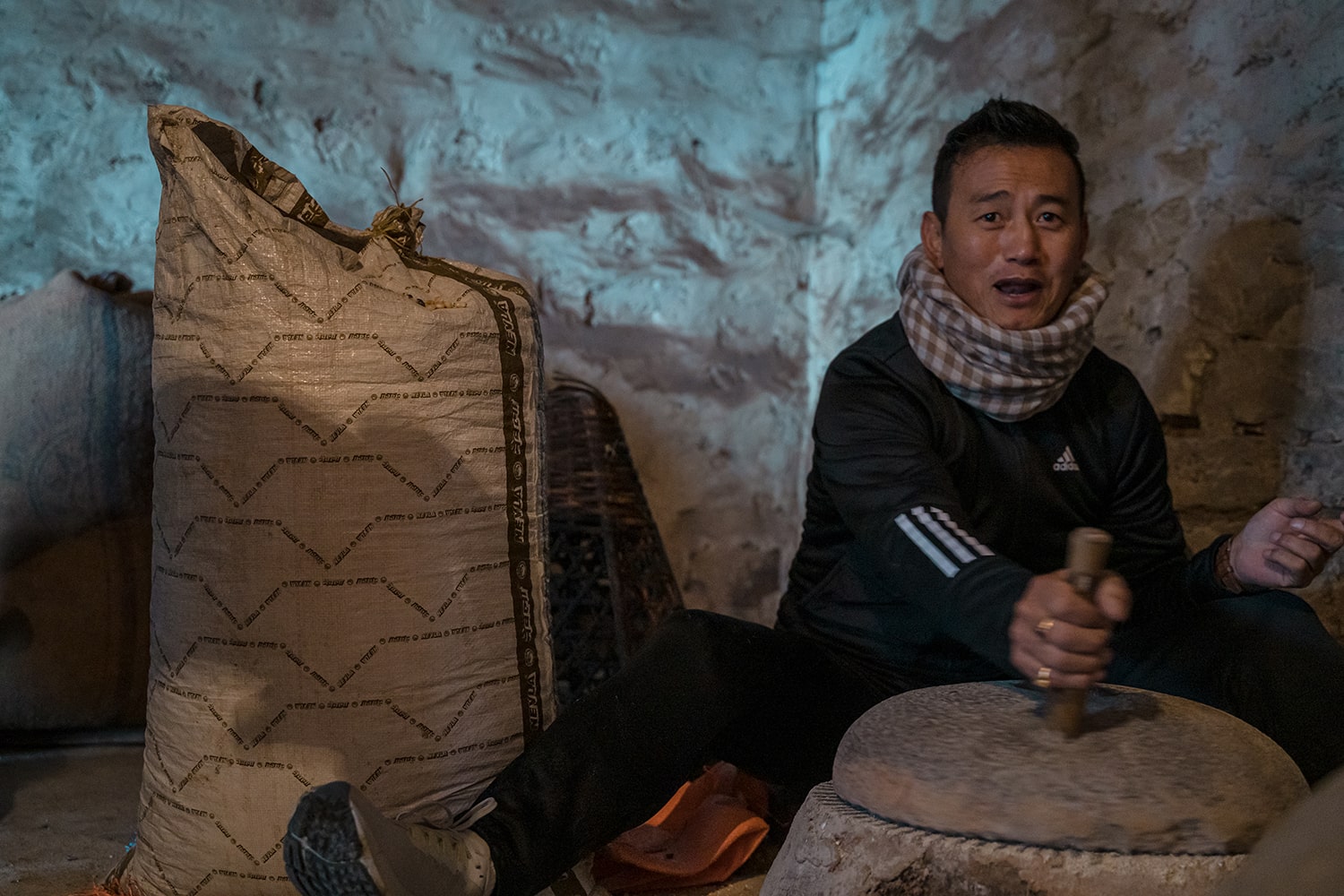
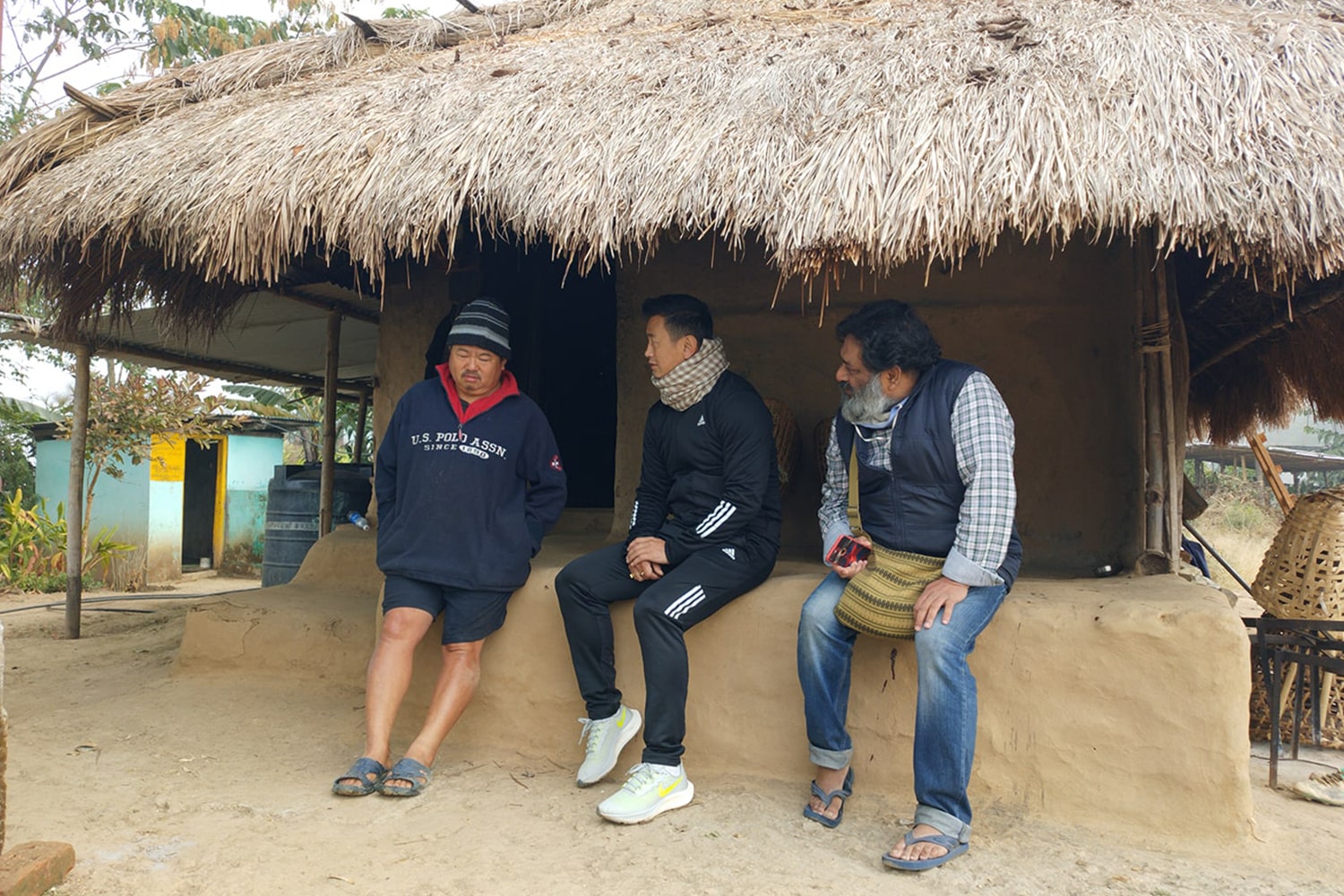
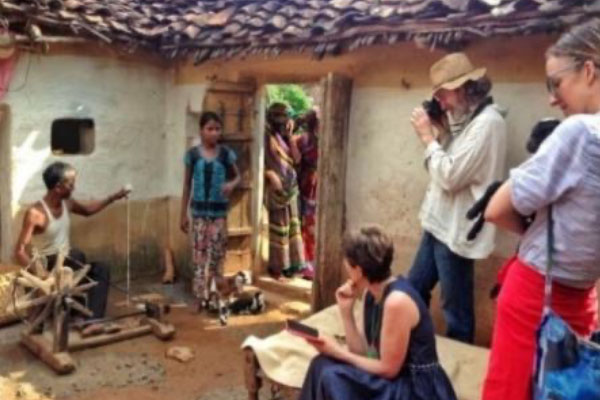
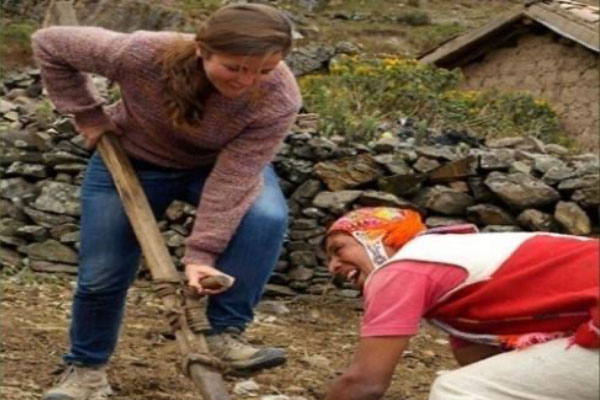
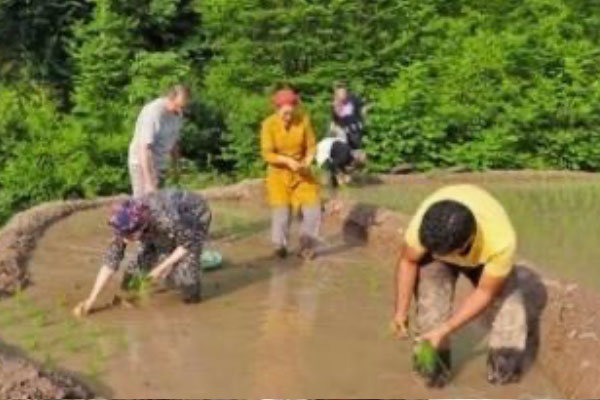
Gurubas is a movement for destination management and sustainable development of villages through Tourism. This movement has been initiated by ACT (Association for Conservation & Tourism) aiming at sustainable empowerment and tourism development of certain destination. The idea is to identify individuals or families as Gurus or Acharyas from the host community who are experts in certain authentic traditional practices in segments like organic and natural agriculture, handicrafts, Art & Instruments, Culture & rituals, heritage & mud house making and etc. The mission of this movement is to – Teach, Transfer and Practice of traditional sustainable living (involvement the mind, soul and physical belonging) to the sishya or the guest community. Gurubas is the concept where tourist will be treated as shishya who will be visiting any particular gurubas or community to learn the first-hand experience of the ancient authentic sustainable practices.This tourism activity would be indulge guest to absorb experience in learning manner. The movement gurubas is not only an opportunity to explore rural tourism but also to connect with the true gurus who will take them back to the ancient practices of sustainable livelihood.
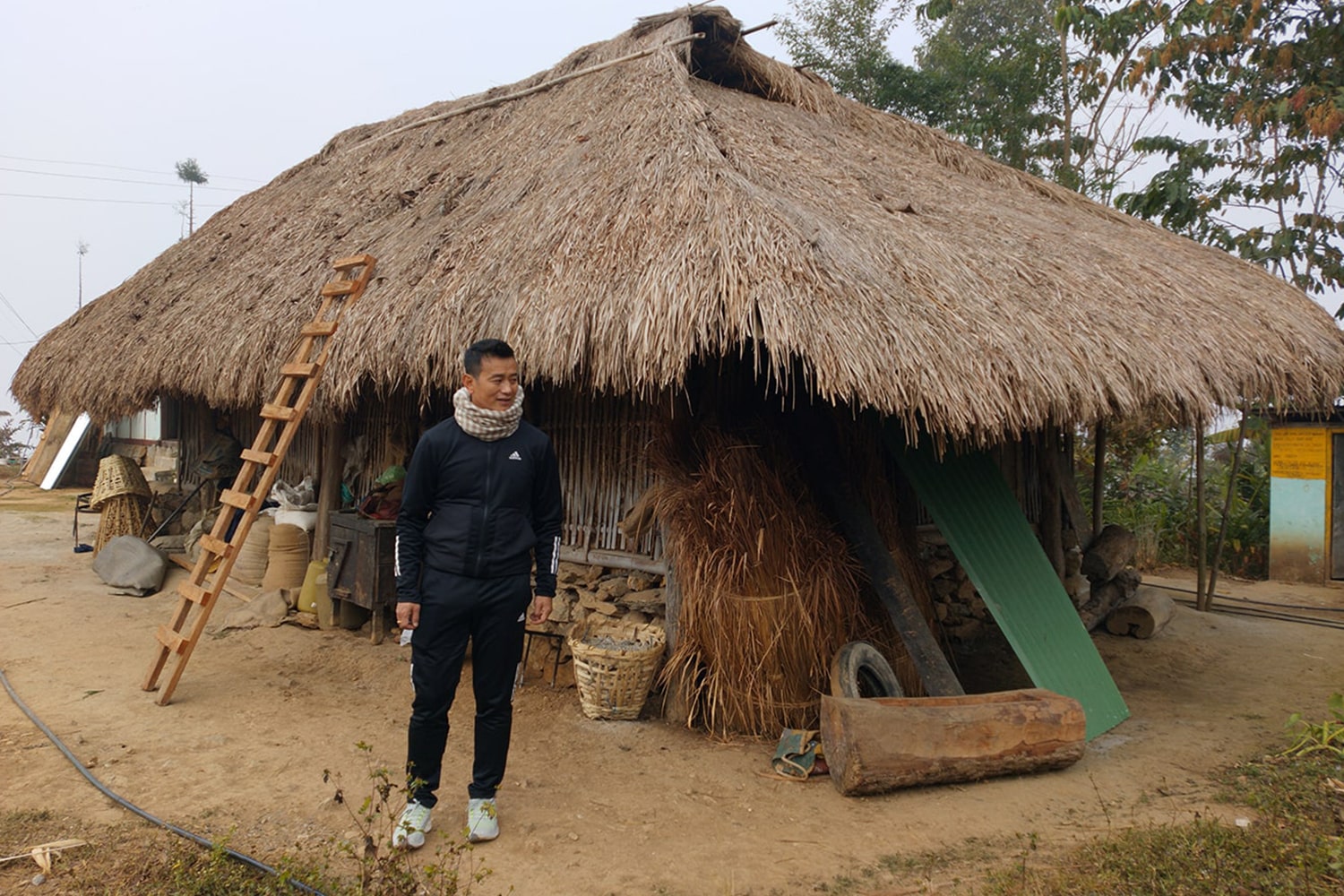
In present growing economy, with hard lobbying of industrial organizations, the old institutional skill of sustainability were fast getting obsolete. This tendency is not stirring because of easily available alternative local material but also making it a part of establishment of government’s subsidize produce. Apparently now entire society is dependent on industrial products which is leading our raw material banks to demising. Conceivably, India’s old school practices were suitable, take for example age old local architecture, buildings in everywhere local material and resources sourced locally. Almost every households in village had that skill of build, repair and renovate. Seemingly in this wave of urbanization people have lost their knowledge and practice of that local architecture and techniques which are leading to the inclination of dependency on industrial products. However, in action looking forward to create a trust commune, where the involved host and guest community have matching thought process. Through this tourism moment people will start practicing the lost culture to attract the tourist’s attention, and with this tourism activity the skill will be spread out gradually
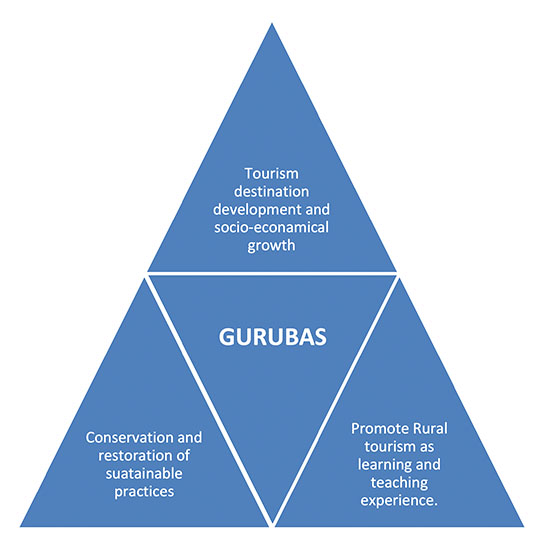
The above figure explicitly articulationg the objectives of Gurubas initiative:
1. Destination development through Tourism activity, and surging socio-economical growth of Tourism destination.
Main aim of Gurubas is destination management and promotion. Increase the socio-economic growth of the destination by using tourism as an alternative source of income. The certain income generation and empowerment of local could be induce through Gurubas initiative.
2. Conservation and restoration of sustainable practices.
Gurubas could play a significant role in conservation and restoration of sustainable practices and heritage, as the entire concept of this initiative based on promoting and experiencing the old authentic practices through the locals in rural surrounding.
3. Promote Rural tourism as learning and teaching experience :
Not only travel but also education is one of the goals of this project, experiential learning is the main essence of this movement. Tourist will come here and experience the skills from the host community directly. On other hand, host community also spread their authentic knowledge to the guest.

We're here to respond swiftly to your queries. Let's get you the information you need!
Helpline
Call: +91-99323 85494 | +91 98326 62332
Mail Us: namaste@aadrikholidays.com