


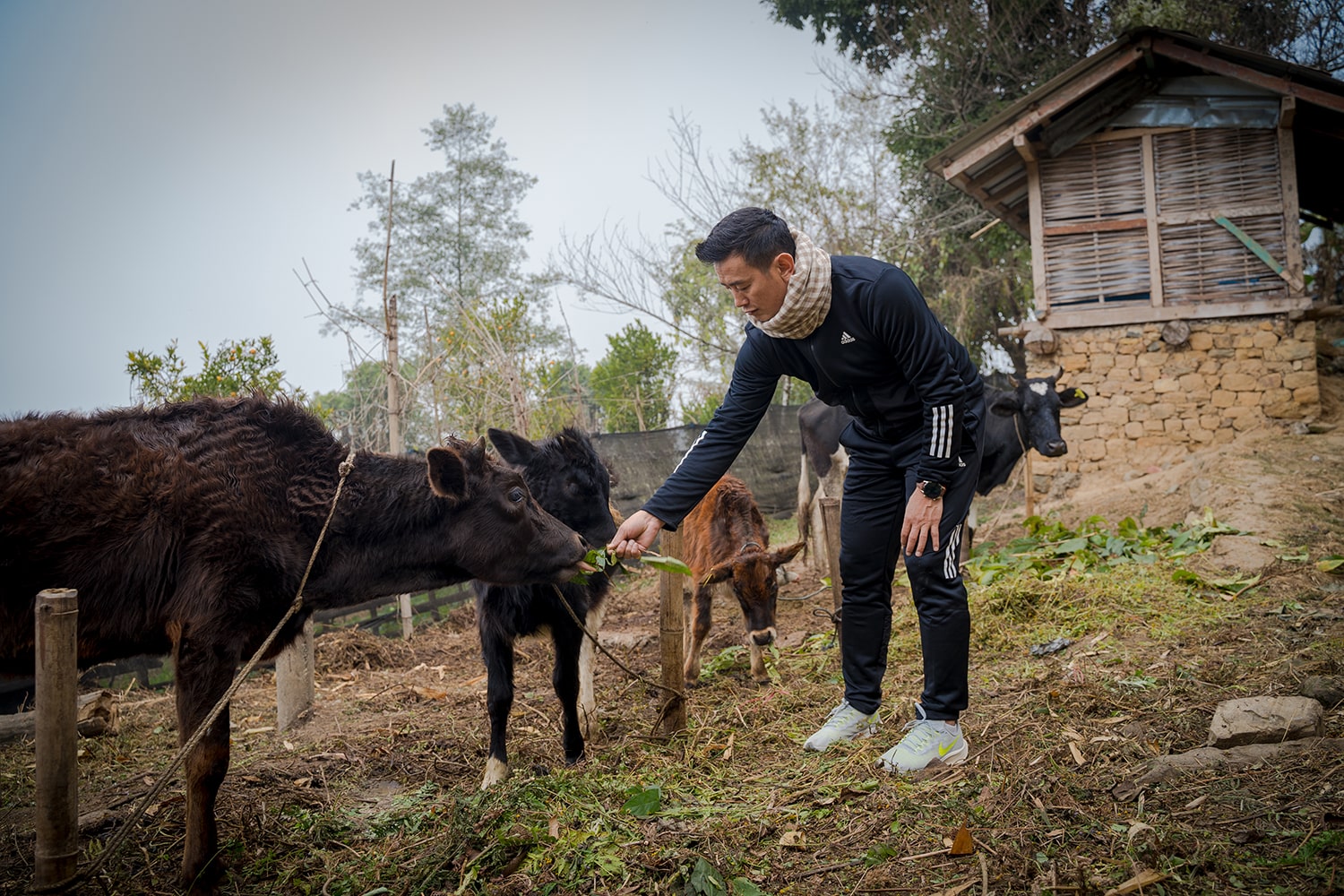



Ecotourism can be defined as a form of responsible travel that takes place in natural areas intending to conserve the environment. It further includes sustaining the well-being of local communities both socially and economically and promoting knowledge and understanding through interpretation and education. It is an approach to tourism that goes beyond mere sightseeing and seeks to contribute positively to the environment and the people who call these areas 'home'.
While the term "ecotourism" is often used loosely to describe various tourism activities, it is crucial to recognize the fundamental principles that underpin its true meaning, for instance, respecting local culture. The following principles serve as guidelines for genuine ecotourism endeavors:
Environmental Awareness: Ecotourism serves as a platform for educating and raising environmental awareness among travelers by providing opportunities for interpretation and learning. Hence, it fosters a deeper understanding of natural processes, biodiversity and the challenges faced during conservation efforts.
Exploring Natural Destinations: Ecotourism promotes travel to natural areas, including protected parks, reserves, and wilderness regions. It raises awareness about their ecological significance and the need for their conservation by encouraging visitors to explore these pristine environments.
Minimizing the Negative Impact: This principle of ecotourism emphasizes the importance of reducing any negative effects on the environment. Ecotourism operators and travelers strive to tread lightly, using sustainable practices such as responsible waste management, energy conservation and minimizing pollution to preserve the delicate ecosystems.
Financial Contribution to Conservation: A necessary principle of ecotourism is to directly contribute to conservation initiatives. Financial resources generated from ecotourism activities are invested in the protection and management of natural areas, including wildlife conservation, habitat restoration and environmental research.
Empowering the Local People:Ecotourism aims to empower local communities by ensuring that they receive equitable economic benefits from tourism activities. Ecotourism helps to improve livelihoods and enhance community well-being by engaging local people in the tourism industry, creating employment opportunities and supporting local businesses.
Supporting Democratic Movements and Human Rights: Ecotourism aligns with the principles of social justice, human rights, and democratic values. It supports initiatives that promote equality, fair labor practices, and the protection of indigenous rights.
Ecotourism represents a unique form of travel that goes beyond traditional tourism. It embodies a set of characteristics that distinguish it from other types of travel experiences.
Non-Consumptive/Non-Extractive: Ecotourism promotes activities that do not involve the extraction or consumption of natural resources. Instead, it emphasizes non-intrusive ways of experiencing and appreciating the natural environment.
Ecological Conscience: Ecotourism encourages the development of an ecological conscience among travelers. It aims to foster an understanding of the equilibrium of ecosystems and the importance of their preservation for future generations.
Eco-Centric Values and Ethics: Ecotourism recognizes the interconnectedness of all living beings and advocates for their protection. True ecotourism aligns with ecocentric values and ethics, emphasizing the fundamental value of nature and promoting responsible behavior towards it.
Beneficial for Visitors and Visited: Ecotourism aims to create a mutually beneficial relationship between the visitors and the visited. It seeks to provide enriching experiences for travelers while simultaneously supporting the well-being of local communities and minimizing negative impacts on the environment.
It is essential to differentiate ecotourism from activities that may be labeled as such but do not align with its core principles.
Hunting Tourism: Ecotourism does not include hunting activities. It promotes observing and appreciating wildlife in their natural habitats without causing harm or disturbance to the animals.
Mass Nature Tourism: Ecotourism is not synonymous with large-scale nature tourism that prioritizes quantity over quality. It focuses on responsible travel practices, ensuring that the number of visitors is sustainable and does not compromise the integrity of the environment or the local communities.
Solely Staying at Sustainable Hotels or "Eco-Resorts": While staying at sustainable accommodations is a positive aspect of ecotourism, it is not the sole determinant. True ecotourism involves a holistic approach that encompasses responsible activities, conservation efforts and community engagement.
On the whole, ecotourism offers a responsible and sustainable approach to travel. It is where the principles of conservation, community empowerment and cultural respect converge to create transformative experiences that will benefit both people and the planet over the years.

We're here to respond swiftly to your queries. Let's get you the information you need!
Helpline
Call: +91-99323 85494 | +91 98326 62332
Mail Us: namaste@aadrikholidays.com